




Everything you need to know about the new-look 24-team tournament taking place in Australia next year.
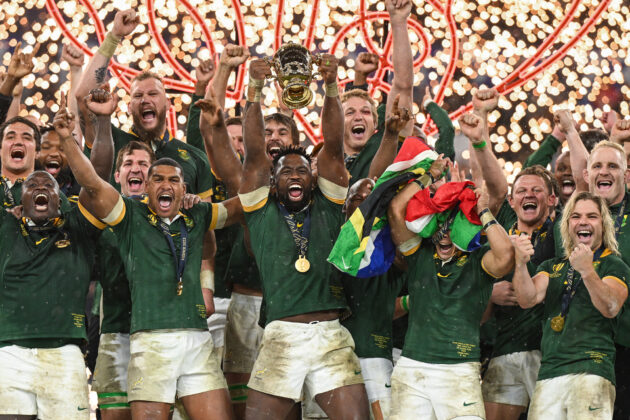
The Men’s Rugby World Cup 2027 will kick-off in Australia in October next year.
The draw took place in December 2025 and reignited a couple of old feuds in the pool stages, with New Zealand due to face Rugby Championship and Bledisloe Cup opponents Australia, and England set to meet Six Nations rivals Wales.
South Africa have won the last two Rugby World Cups, and to find a team other than the Springboks or the All Blacks lifting the trophy you have to go all the way back to England’s famous victory (also in Australia) in 2003. Those three sides – along with Six Nations champions France – are likely to be among the favourites down under.
The 2027 Men’s Rugby World Cup is set to be the biggest in history, featuring 24 qualifying teams for the very first time. There’ll be 52 matches in total – including the RWC’s first ever round of 16 – with the eventual winners playing seven matches on their way to the title.
This article will tell you everything you need to know about the Men’s Rugby World Cup 2027, including pools, fixtures, an explainer of the new format, and details of the championship’s previous winners.
Men’s Rugby World Cup 2027: At a glance
– Dates: October 1 – November 13 2027
– Participating teams: Argentina, Australia, Canada, Chile, England, Fiji, France, Georgia, Hong Kong China, Ireland, Italy, Japan, New Zealand, Portugal, Romania, Samoa, Scotland, South Africa, Spain, Tonga, Uruguay, USA, Wales, Zimbabwe
– UK TV coverage: TBC
The new Men’s Rugby World Cup 2027 format
The previous seven World Cups have featured 20 teams but the 2027 tournament (the 11th edition of the competition) has expanded the field to include 24. That also requires a change of format.
Whereas the old 20-team system featured four pools of five teams, the Men’s Rugby World Cup 2027 will have six pools of four teams – just like football’s European Championship.
In the new-look competition, 16 teams will make it through the pool stages, rather than the eight who survived in the original format. This necessitates an additional round of 16.
The route to lifting the William Webb Ellis Cup will now look like this:
- 3 pool matches
- Round of 16 match
- Quarter-final
- Semi-final
- Final
Although there’s a whole extra round of matches, the two teams that reach the final will still feature in seven matches. This is because each team will play one game fewer in the pool stages.
But while the total number of matches in the tournament increases from 48 to 52, the duration of the tournament will actually decrease. This is because there’s no longer any need for teams to have a “fallow” week during the pool stages, an inevitable consequence of five-team pools. So, even with the mandatory minimum of five rest days between games, this World Cup will be a whole week shorter than its predecessor at just 43 days.

The 2027 Men’s Rugby World Cup draw took place in Sydney on Wednesday 3 December 2025 (Mark Kolbe – World Rugby/World Rugby via Getty Images)
What do teams need to do to qualify for the round of 16?
This change makes the competition less elegant than the old format, in which the top two teams from each pool made it through to the knockouts.
Although the pool winners and runners-up will still qualify for the round of 16 automatically, there’s now room for four more places in the knockout stages. These will be filled by the four best third-placed teams, determined by (in this order) competition points, points difference and try difference.
This is a rather less efficient way of eliminating teams, seeing as 36 games will be played in order to send just eight teams home (33 per cent of the field), compared to the 40 matches that removed 12 sides (60 per cent of the field) in the old days.
This also means less pool game jeopardy for the leading teams, which may make the early stages of the competition less exciting.
Men’s Rugby World Cup 2027: The Pools
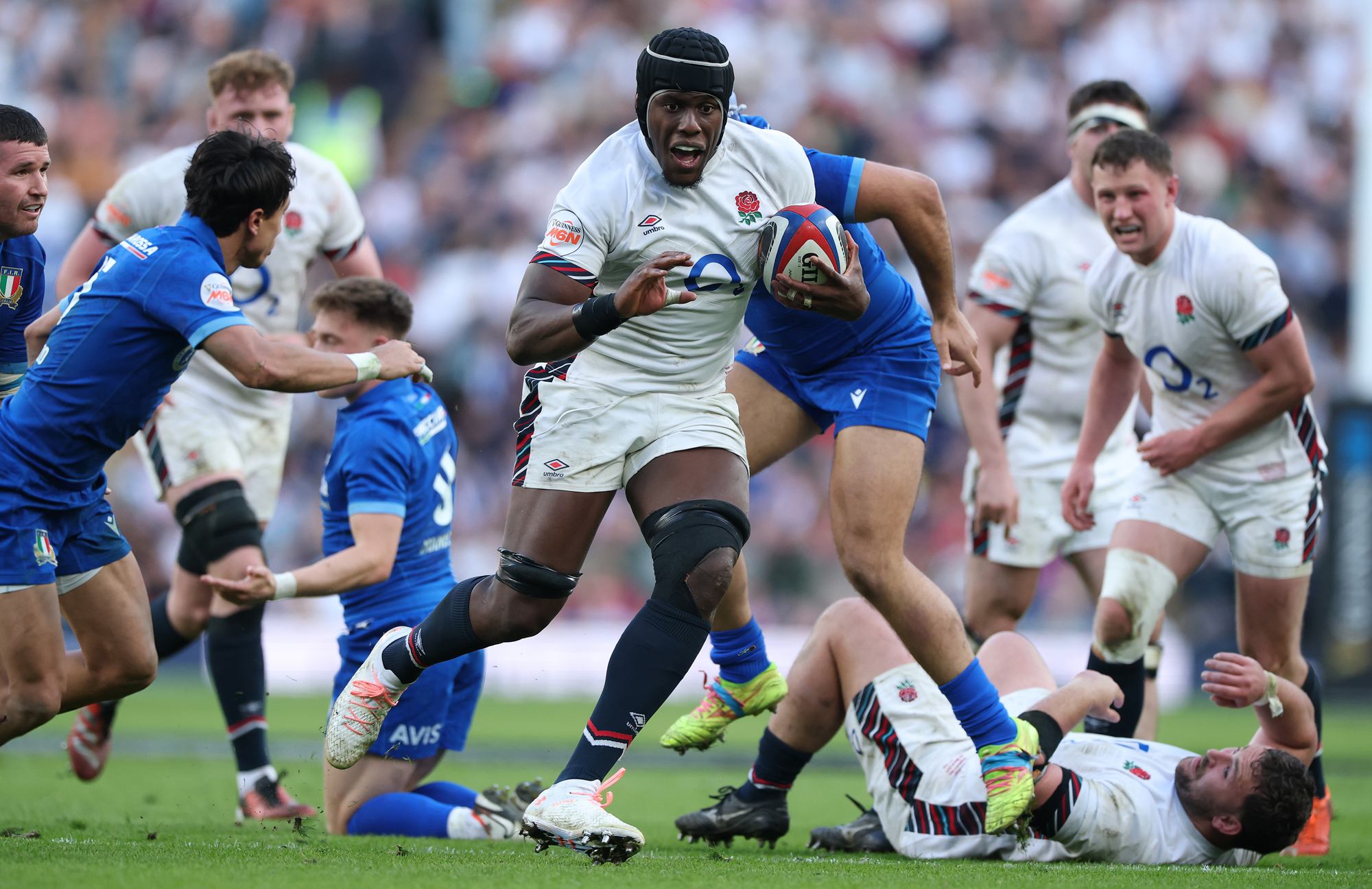
On paper, England have one of the easiest pools in the 2027 Men’s Rugby World Cup (David Rogers/Getty Images)
This is how the 24 teams in the 2027 Men’s Rugby World Cup will line up following the Men’s Rugby World Cup 2027 draw in December.
Pool A
- New Zealand
- Australia
- Chile
- Hong Kong China
Pool B
- South Africa
- Italy
- Georgia
- Romania
Pool C
- Argentina
- Fiji
- Spain
- Canada
Pool D
- Ireland
- Scotland
- Uruguay
- Portugal
Pool E
- France
- Japan
- USA
- Samoa
Pool F
- England
- Wales
- Tonga
- Zimbabwe
Read more: Do England have the easiest route to the Men’s Rugby World Cup 2027 final?
Men’s Rugby World Cup 2027: Fixtures
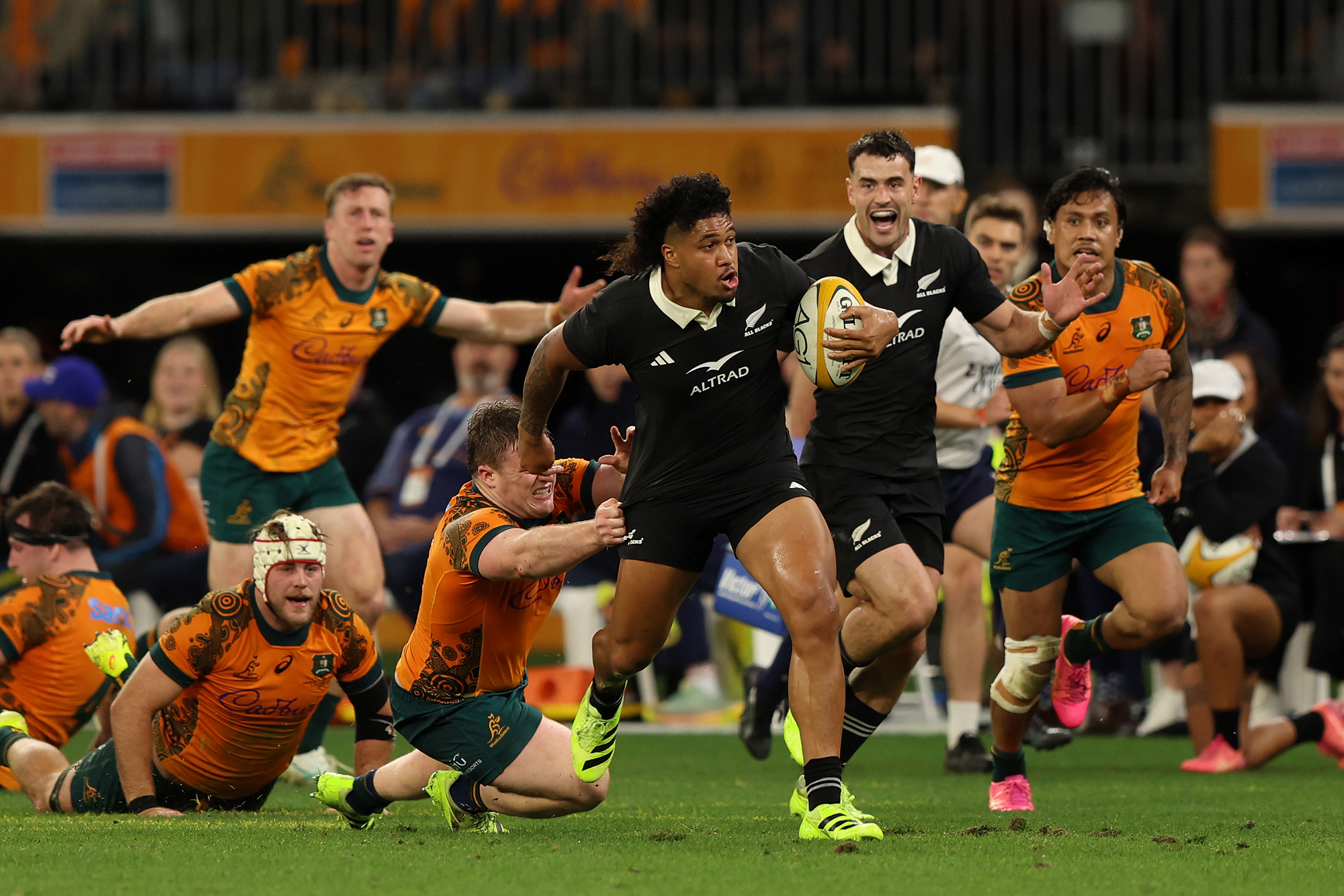
New Zealand v Australia in Sydney is one of the most hotly anticipated pool matches at the Men’s Rugby World Cup 2027 (Janelle St Pierre/Getty Images)
Pool matches
Friday 1 October
- Australia v Hong Kong China
Perth Stadium, Perth
Kick-off: 11.45am BST/6.45pm AEDT
Saturday 2 October
- Wales v Zimbabwe
Adelaide Oval, Adelaide
Kick-off: 3.45am BST/12.15pm AEDT - New Zealand v Chile
Perth Stadium, Perth
Kick-off: 6.15am BST/1.15pm AEDT - France v USA
Docklands Stadium, Melbourne
Kick-off: 8.45am BST/5.45pm AEDT - England v Tonga
Brisbane Stadium, Brisbane
Kick-off: 11.15am BST/8.15pm AEDT
Sunday 3 October
- Japan v Samoa
Newcastle Stadium, Newcastle
Kick-off: 2.15am BST/12.15pm AEDT - South Africa v Italy
Adelaide Oval, Adelaide
Kick-off: 4.45am BST/2.15pm AEDT - Scotland v Uruguay
Docklands Stadium, Melbourne
Kick-off: 7.15am BST/5.15pm AEDT - Georgia v Romania
North Queensland Stadium, Townsville
Kick-off: 11.15am BST/20.15pm AEDT
Monday 4 October
- Fiji v Spain
Newcastle Stadium, Newcastle
Kick-off: 4.15am BST/2.15pm AEDT - Ireland v Portugal
Sydney Football Stadium, Sydney
Kick-off: 7.15am BST/5.15pm AEDT - Argentina v Canada
Brisbane Stadium, Brisbane
Kick-off:9.45am BST/6.45pm AEDT
Friday 8 October
- Wales v Tonga
Docklands Stadium, Melbourne
Kick-off: 8.15am BST/6.15pm AEDT - England v Zimbabwe
Adelaide Oval, Adelaide
Kick-off: 10.45am BST/8.15pm AEDT
Saturday 9 October
- USA v Samoa
Perth Stadium, Perth
Kick-off: 5.15am BST/12.15pm AEDT - New Zealand v Australia
Stadium Australia, Sydney
Kick-off: 7.10am BST/5.10pm AEDT - France v Japan
Brisbane Stadium, Brisbane
Kick-off: 9.45am BST/6.45pm AEDT - Chile v Hong Kong China
North Queensland Stadium, Townsville
Kick-off:11.15am BST/ 8.15pm AEDT
Sunday 10 October
- Fiji v Canada
Adelaide Oval, Adelaide
Kick-off: 2.45am BST/12.15pm AEDT - Argentina v Spain
Docklands Stadium, Melbourne
Kick-off: 5.15am BST/3.15pm AEDT - South Africa v Georgia
Brisbane Stadium, Brisbane
Kick-off:7.45am BST/4.45pm AEDT - Ireland v Scotland
Perth Stadium, Perth
Kick-off: 10.45am BST/5.45pm AEDT
Monday 11 October
- Uruguay v Portugal
Newcastle Stadium, Newcastle
Kick-off: 7.15am BST/5.15pm AEDT - Italy v Romania
Sydney Football Stadium, Sydney
Kick-off:9.45pm BST/7.45pm AEDT
Friday 15 October
- New Zealand v Hong Kong China
Docklands Stadium, Melbourne
Kick-off: 7.15am BST/5.15pm AEDT - Japan v USA
Adelaide Oval, Adelaide
Kick-off: 10.30am BST/8pm AEDT - Tonga v Zimbabwe
North Queensland Stadium, Townsville
Kick-off: 11.15am BST/8.15pm AEDT
Saturday 16 October
- Argentina v Fiji
Adelaide Oval, Adelaide
Kick-off: 3.45am BST/1.15pm AEDT - Australia v Chile
Brisbane Stadium, Brisbane
Kick-off: 6.10am BST/3.10pm AEDT - England v Wales
Stadium Australia, Sydney
Kick-off: 9.45am BST/7.45pm AEDT - Spain v Canada
North Queensland Stadium, Townsville
Kick-off: 11.15am BST/8.15pm AEDT
Sunday 17 October
- Italy v Georgia
Newcastle Stadium, Newcastle
Kick-off: 2.15am BST/12.15pm AEDT - Ireland v Uruguay
Docklands Stadium, Melbourne
Kick-off: 4.45am BST/ 2.45pm AEDT - Scotland v Portugal
Brisbane Stadium, Brisbane
Kick-off: 7.15am BST /4.15pm AEDT - France v Samoa
Sydney Football Stadium, Sydney
Kick-off: 9.45am BST/7.45pm AEDT - South Africa v Romania
Perth Stadium, Perth
Kick-off: 12.15pm BST/7.15am AEDT
Read more: How Henry Slade got over his World Cup axing
Round of 16
Saturday 23 October
- Pool C runner-up v Pool F runner-up
Sydney Football Stadium, Sydney
Kick-off: 4.15am BST/2.15pm AEDT - Pool A winner v Pool C/E/F best third
Brisbane Stadium, Brisbane
Kick-off: 6.45am BST/3.45pm AEDT - Pool E winner v Pool D runner-up
Docklands Stadium, Melbourne
Kick-off: 9.15am BST/7.15pm AEDT - Pool B winner v Pool D/E/F best third
Perth Stadium, Perth
Kick-off: 11.45am BST/6.45pm AEDT
Sunday 24 October
- Pool C winner v Pool A/E/F best third
Sydney Football Stadium, Sydney
Kick-off: 4.15am BST/2.15pm AEDT - Pool D winner v Pool B/E/F best third
Docklands Stadium, Melbourne
Kick-off: 6.45am BST/3.45pm AEDT - Pool A runner-up v Pool E runner-up
Brisbane Stadium, Brisbane
Kick-off: 9.15am BST/7.15pm AEDT - Pool F winner v Pool B runner-up
Perth Stadium, Perth
Kick-off: 11.45am BST/6.45pm AEDT
Quarter-finals
Saturday 31 October
- Winner R16 (2) v Winner R16 (4)
Stadium Australia, Sydney
Kick-off: 6.45am BST/3.45pm AEDT - Winner R16 (1) v Winner R16 (3)
Brisbane Stadium, Brisbane
Kick-off: 9.45am BST/6.45pm AEDT
Sunday 1 November
- Winner R16 (5) v Winner R16 (6)
Brisbane Stadium, Brisbane
Kick-off: 6am BST/4pm AEDT - Winner R16 (7) v Winner R16 (8)
Stadium Australia, Sydney
Kick-off: 9am BST/8pm AEDT
Semi-finals
Friday 5 November
- Winner QF1 v Winner QF2
Stadium Australia, Sydney
Kick-off: 9am BST/8pm AEDT
Saturday 6 November
- Winner QF3 v Winner QF4
Stadium Australia, Sydney
Kick-off: 9am BST/8pm AEDT
Bronze final
Friday 12 November
- Runner-up SF1 v Runner-up SF2
Stadium Australia, Sydney
Kick-off: 8.45am BST/7.45pm AEDT
Final
Saturday 13 November
- Winner SF1 v Winner SF2
Stadium Australia, Sydney
Kick-off: 9am BST/8pm AEDT
Men’s Rugby World Cup 2027: All 24 squads for 2027 tournament
This will be updated when the squads are announced.
Men’s Rugby World Cup: Previous winners

Mbongeni Mbonambi celebrates South Africa’s Men’s Rugby World Cup win in 2019 (Getty Images)
Here are all of the Men’s Rugby World Cup winners to date
1987 – New Zealand
1991 – Australia
1995 – South Africa
1999 – Australia
2003 – England
2007 – South Africa
2011 – New Zealand
2015 – New Zealand
2019 – South Africa
2023 – South Africa
Download the digital edition of Rugby World straight to your tablet or subscribe to the print edition to get the magazine delivered to your door.