




Ahead of their ‘away game’ against Fiji at Everton’s new Hill Dickinson Stadium, we look back at the history of the England men’s team north of Watford…
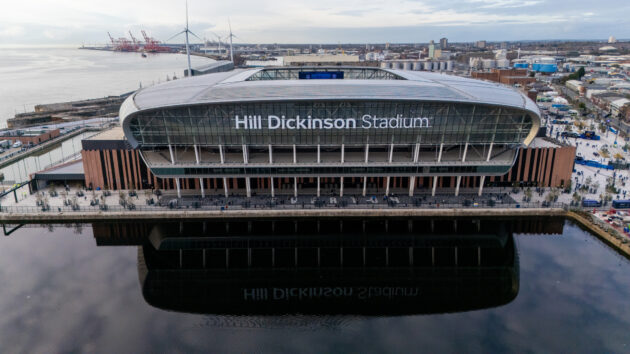
The jury may still be out on the new Nations Championship but it has already delivered one precious gift to the game before a ball has been kicked – an England match in the North. Everton’s superb new Hill Dickinson Stadium, having hosted a rugby league Ashes Test last year, will stage international rugby union for the first time on Saturday afternoon.
If there’s some confusion over the fact that Fiji v England is actually a home Test for the Pacific Islanders, then action-starved northern rugby fans will care more ultimately that the national team is playing in their backyard than which team’s name appears first on the scoreboard.
The fact is this sort of thing does not happen often. In the pro era there have only been six England men’s Tests staged in the region. So for England Grand Slam-winning captain Bill Beaumont – northern rugby royalty – it is a moment to be savoured.
“What a great thing for the North of England,” he says. “We don’t get many of these. I never played an England game in the North.
“The North of England is a sporting area. Whatever sport, whatever code, it’s a hotbed. We have the big football clubs, the Test cricket grounds… the one thing missing is a big international rugby union presence in the North and now we have the opportunity.
“The scarcity value of England coming to town creates a special atmosphere at these games. This game gives the opportunity to northern kids to see their heroes in real life wearing the white jersey. And that is the generation which hopefully will carry the game on.”
Away for a century
In the 19th century, before the schism with the Northern Union out of which rugby league was born, England staged plenty of Tests in Manchester and Leeds, Dewsbury even. The North was the powerhouse of the sport. But the 1897 Calcutta Cup, contested in Fallowfields, was the last Test in the North for a century.
The RFU bought Billy Williams’s Cabbage Patch in Twickenham in 1907, the converted market garden hosted its first International three years later. From then on that was HQ.
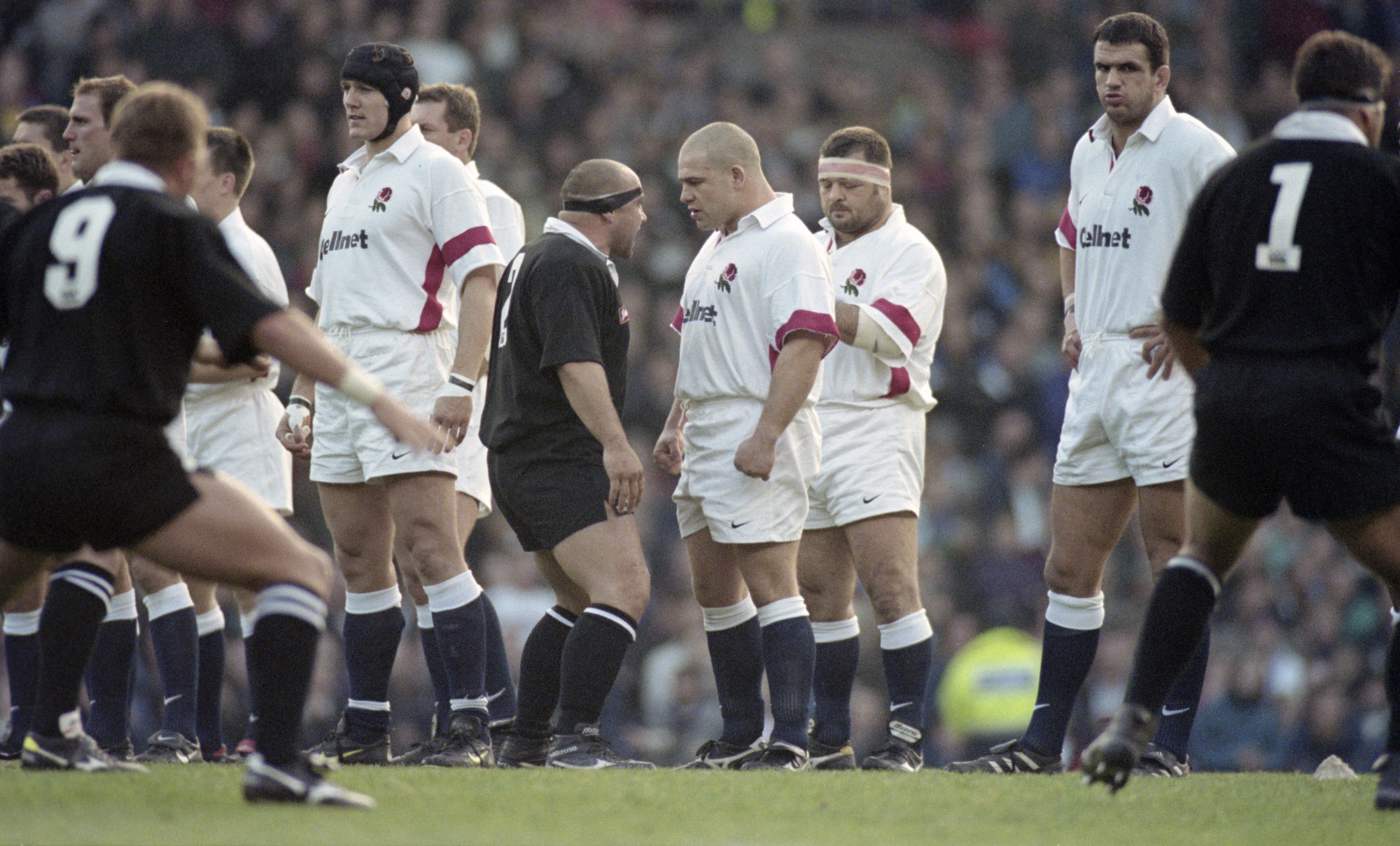
England’s 1997 clash with the All Blacks at Manchester United’s Old Trafford was their first game in the North of the country for a centry (Stu Forster/Allsport/Getty Images/Hulton Archive)
The long-awaited return north came in 1997 when England faced the All Blacks at Old Trafford. The clash was preceded by a nose-to-nose confrontation during the haka by the hookers Norm Hewitt and Richard Cockerill. Whether it was Cockerill’s antics which fanned the flames or just the long wait for Test rugby, the atmosphere inside the stadium was off the scale. It was a 55,000 sellout and the place crackled. It was raucous, intense and deafeningly loud.
England lost 25-8 but the consensus was that the North must hold more such games. It was decided to stage the next year’s RWC qualifiers against the Netherlands and Italy at McAlpine Stadium, Huddersfield. The first game was a damp squib. The Dutch were welcomed by a brass band playing “Tulips from Amsterdam” but the West Yorkshire soil didn’t agree with them – they went down 110-0.
The Italian game a week later was much more of a contest as England squeezed home 23-15. Had Alessandro Troncon’s try not been disallowed, it could have been an even tighter nerve-jangler. The crowd of 15,000 included a Halifax teenager called Charlie Hodgson.
Hit the North
The experience of seeing England in the flesh was inspirational for Hodgson, who went on to win 38 England caps. He thinks that for the next generation it’s essential the national team conduct more missionary work around the country.
“They should expand the opportunities to see England around the country. Having a game in the North is aspirational for kids up there,” Hodgson says. “I know Twickenham, or Allianz Twickenham, is home but it’s really important to get the national team in front of kids who don’t have the chance to get to games at Twickenham.
“Tickets for Twickenham are not easy to get hold of and if you can get one they’re very expensive. It’s a pricey day out coming down from the North.”
Mark Cueto, another northern star of the same vintage, agrees that England need to get out and about more. “Let’s have one game a year in the North,” he says.
“Surely it would make sense to spread the international game around the country. People say Manchester isn’t a rugby union city but there are 100 grass-roots rugby clubs within 25 miles of Sale Sharks. There are 50,000 members within those 100 clubs. Football is big in the North, yes, but everyone plays everything. People are fans of sport full stop. If England played in the North more often, people would come.”
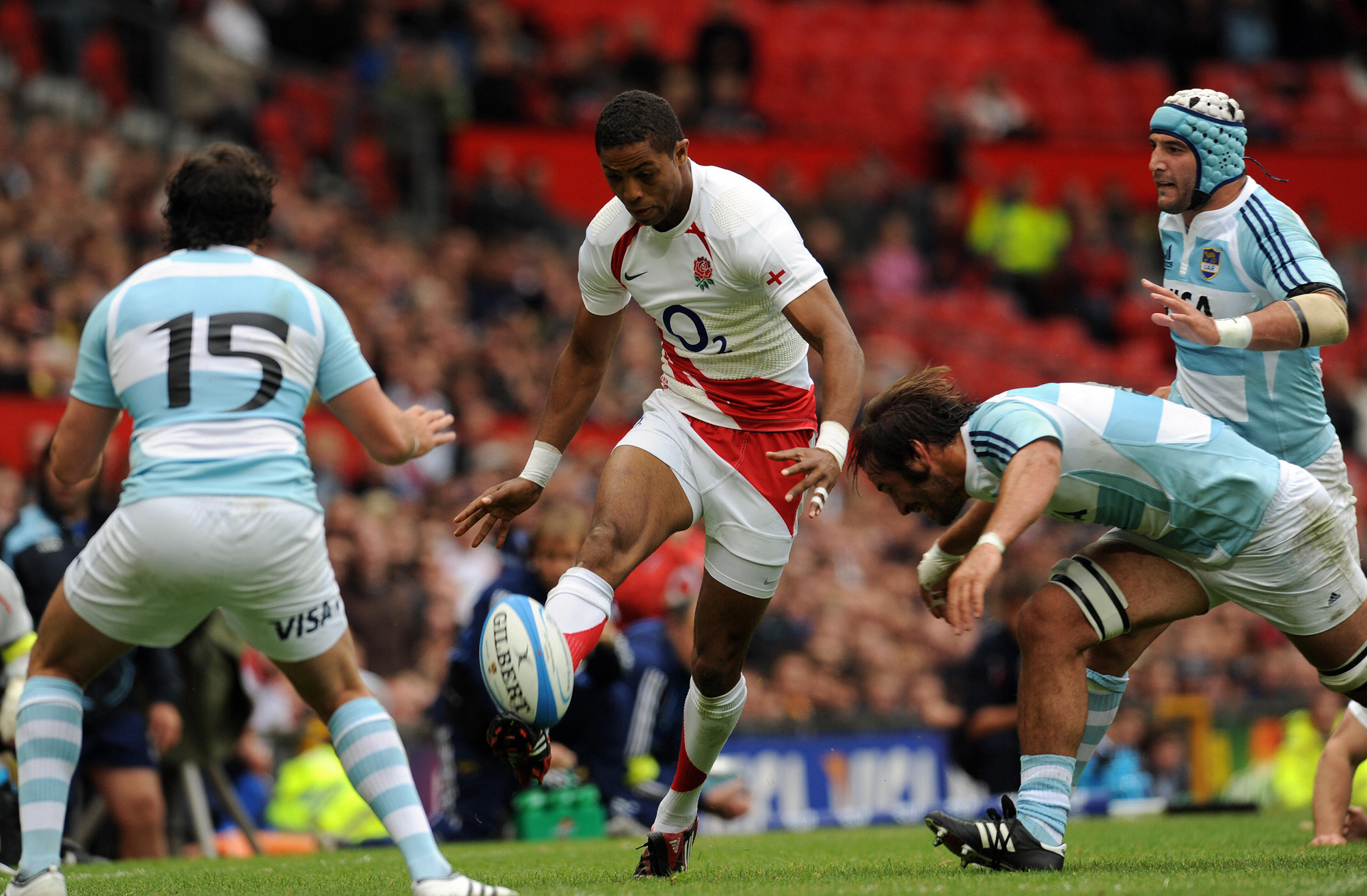
Old Trafford also hosted England for their 37-15 victory over the Pumas in 2009 (PAUL ELLIS/AFP via Getty Images)
Capital ideas
When England next ventured north in 2009 to play a summer Test against Argentina, Cueto played on the wing in a match that drew 40,000 to Old Trafford. Like this year’s Fiji match, that fixture was officially a Pumas home game – the second Test was in Salta 4,500 miles away. For Cueto it was a dream come true to tread the boards at the Theatre of Dreams.
“Man United is my team, so for me to play at Old Trafford was mega. Even just walking on the pitch the day before was amazing,” he says. “The pitch was the same size as we were used to but there was no dead-ball area. Andy Goode did this crossfield kick to me which I volleyed forward for Delon Armitage. He chased it and scored but he fell off the end of the pitch and down into the run-off gutter!”
England also played a World Cup game at the home of Manchester City, the Etihad, in 2015 – a dead rubber against Uruguay – and went further north to Newcastle for a warm-up for the 2019 tournament against Italy.
Under their Cumbrian head coach Steve Borthwick, they have held camps in York, with open training sessions for supporters as well.
But there remains a reluctance from the RFU to move men’s Tests away from the South-East which frustrates Cueto – especially when the southern hemisphere nations make a point of taking their games around the country, ensuring all points of the compass feel like they have a stake in the national side.
“It’s lazy from the top,” he says. “Because the top is so successful, the RFU think there’s no need to change and it’s too easy for them just to sit on the fat cheques that are coming in and to do that. Okay, you might have to take a hit with the bottom line – whatever the number is that they make from a game at Twickenham, they are only going to generate half of that at best at Old Trafford or wherever – but it will help to grow the game.”
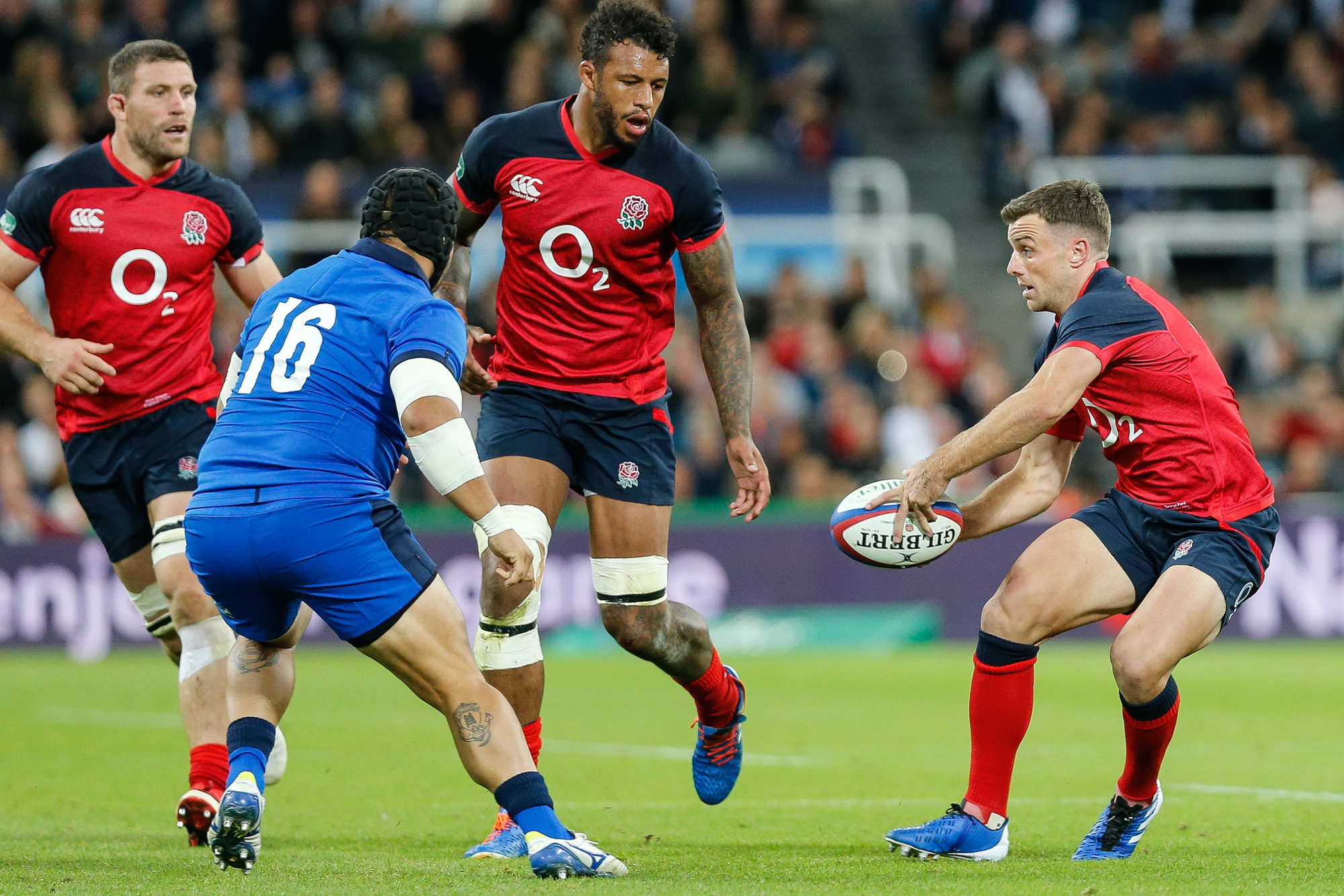
England’s 2019 World Cup warm-up against Italy at St James’s Park in Newcastle was the last time they ventured north (Chris Lishman/MI News/NurPhoto via Getty Images)
No place like home
Beaumont, who stepped down as interim RFU chair last year, would love to see more Test rugby in the North too but for him head rules heart.
“We own our stadium. Other countries don’t,” he points out. “That’s why there is a reluctance to take games away from Twickenham.
“The romantic side of you would take games around the country but the pragmatist would say, ‘We’ve invested millions into the stadium at Twickenham, which is owned by all the members, and the income you get from owning your stadium is a lot more significant than if you’re buying your pint off another stadium rather than Twickenham, where the profit goes back into rugby. The financial argument is very hard to articulate against.”
- Read more: A brief history of Twickenham Stadium
The RFU’s marketing director is Ewan Turney. He says that with so many mouths to feed, the union cannot ignore the balance sheet.
“Around 85% of our revenues come from match days or match day-related activity at Allianz Stadium,” he says. “So the strategy is to look at what other England representative matches we can take around the country.
“We’ve had great success with the Red Roses, with games in Sunderland, Newcastle and York, and we’ve got a WXV game against Australia in September at Salford. We’ve also had great success with England U20. We got over 8,000 for the Scotland fixture at Kingston Park last season.”
Merseyside story
However, this Saturday represents a rare opportunity. Fiji shouldn’t really be playing on Merseyside, but financial and logistical considerations persuaded them they’d be best served competing as a touring team in this first edition of the Nations Championship, so all their home games are on the road.
“I think originally Fiji looked at South Africa to play England but in the end they decided to play here,” says Turney. “It was agreed that we wouldn’t play at Allianz Stadium since it’s an away fixture for us, so they settled on the Hill Dickinson Stadium, which is a great venue in a great location for us as well. It’s a great opportunity for us to get up there to see the fan base, be among the community game there and spread the England message.
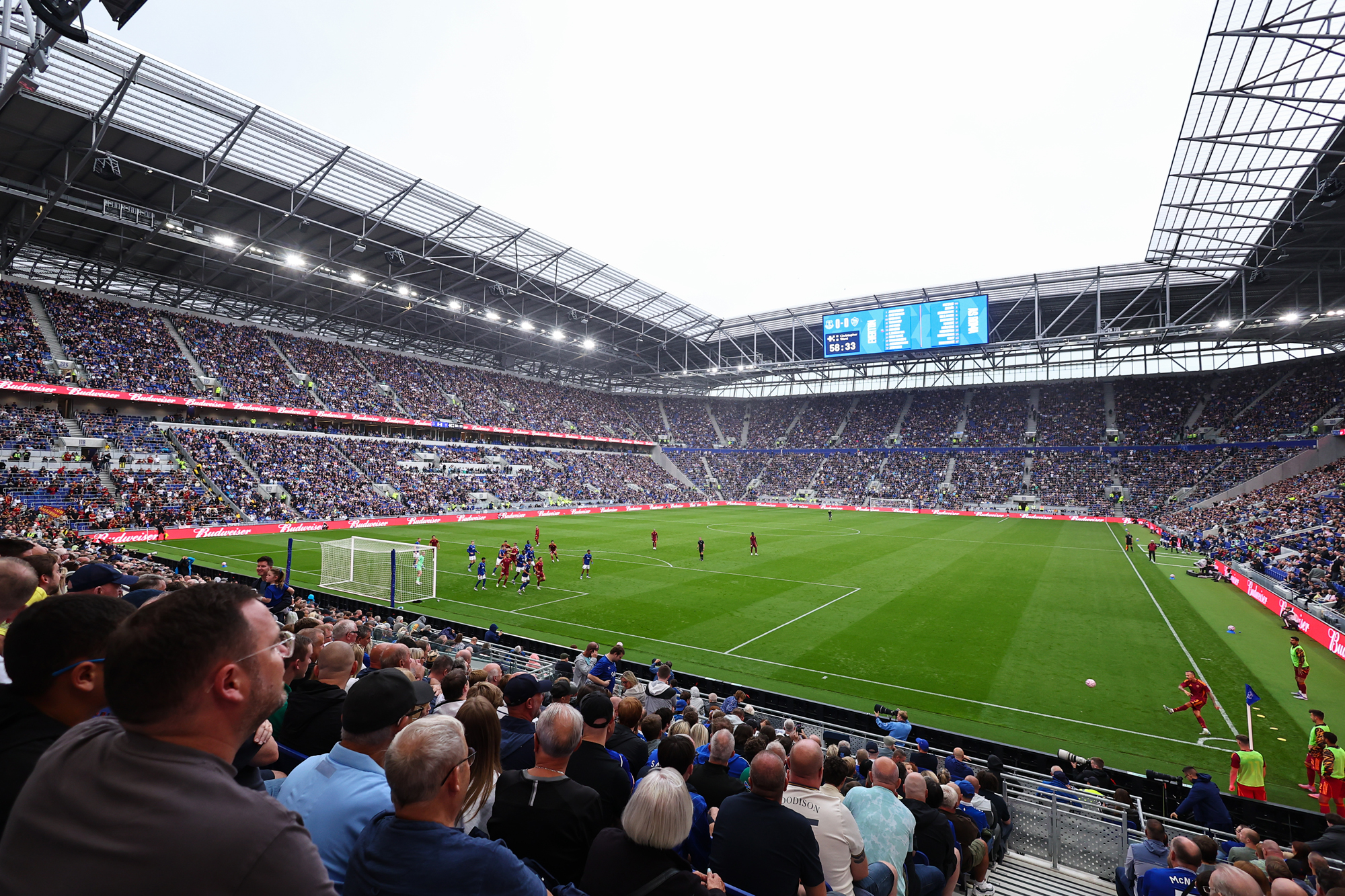
Everton’s state-of-the-art Hill Dickinson Stadium will host Fiji v England this weekend (Robbie Jay Barratt – AMA/Getty Images)
“We anticipate more of a family feel to that fixture with more kids and young people – people who are seeing England for the first time.”
It is England’s first game in Liverpool since the RWC 1999 warm-up against a Premiership All Stars team that attracted a modest 7,500 to Anfield. With tickets priced £25 for adults and £10 for juniors, the hope is for a 52,000 sellout in the blue half of the city this time.
It should be a memorable occasion. Let’s hope so because history tells us it could be some time before the next chance to see England in the North.
Download the digital edition of Rugby World straight to your tablet or subscribe to the print edition to get the magazine delivered to your door.